Four Square House
Type: Residential
Scale: 300 sqm
The initial power and beauty of the “Nine Square Problem” lay in its immateriality—an existence void of function, site, or client. The core concern of that exercise was to explore the fact that architectural space is defined by structure, inseparable from it, and dialectically organized in relation to it. It defined not just a structure, but a space for interpretation.
.
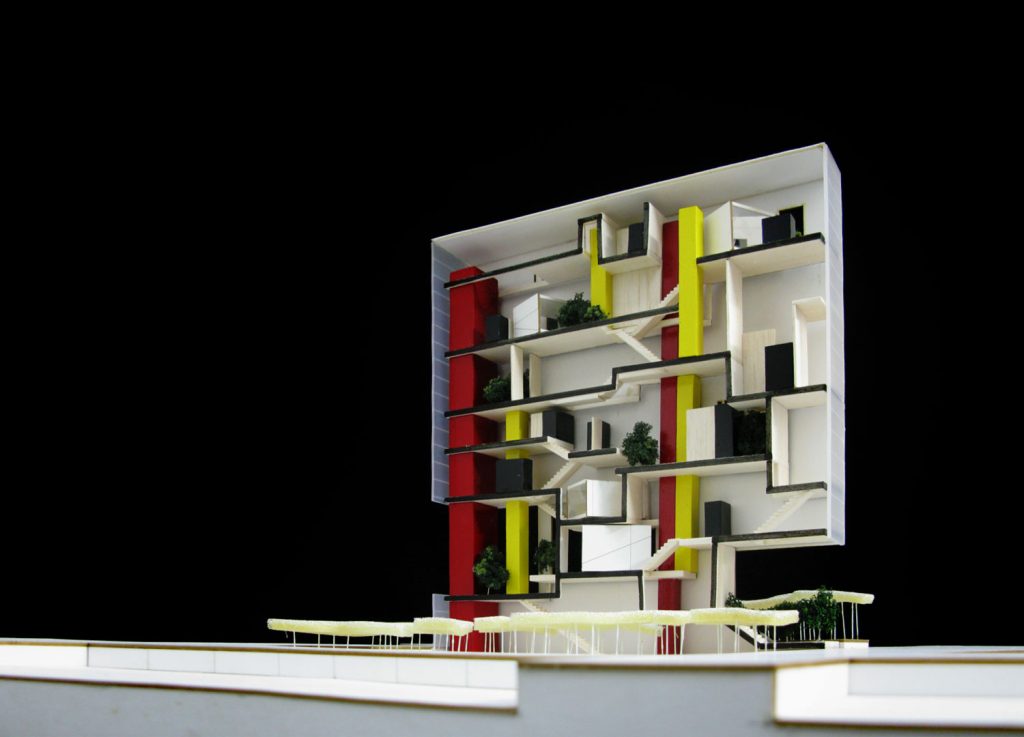
In House 2050, we utilized this logic to address urban density. Instead of a flat sprawl, we propose a vertical organization of the built form. This strategy organizes residential spaces into a vertical box, minimizing footprint to maximize the site’s green area.
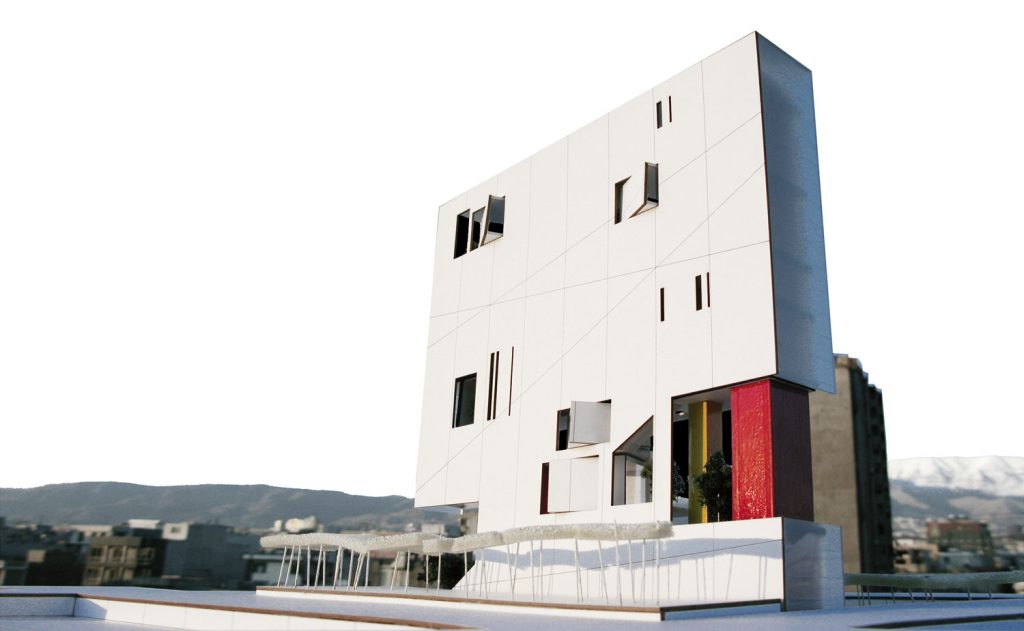
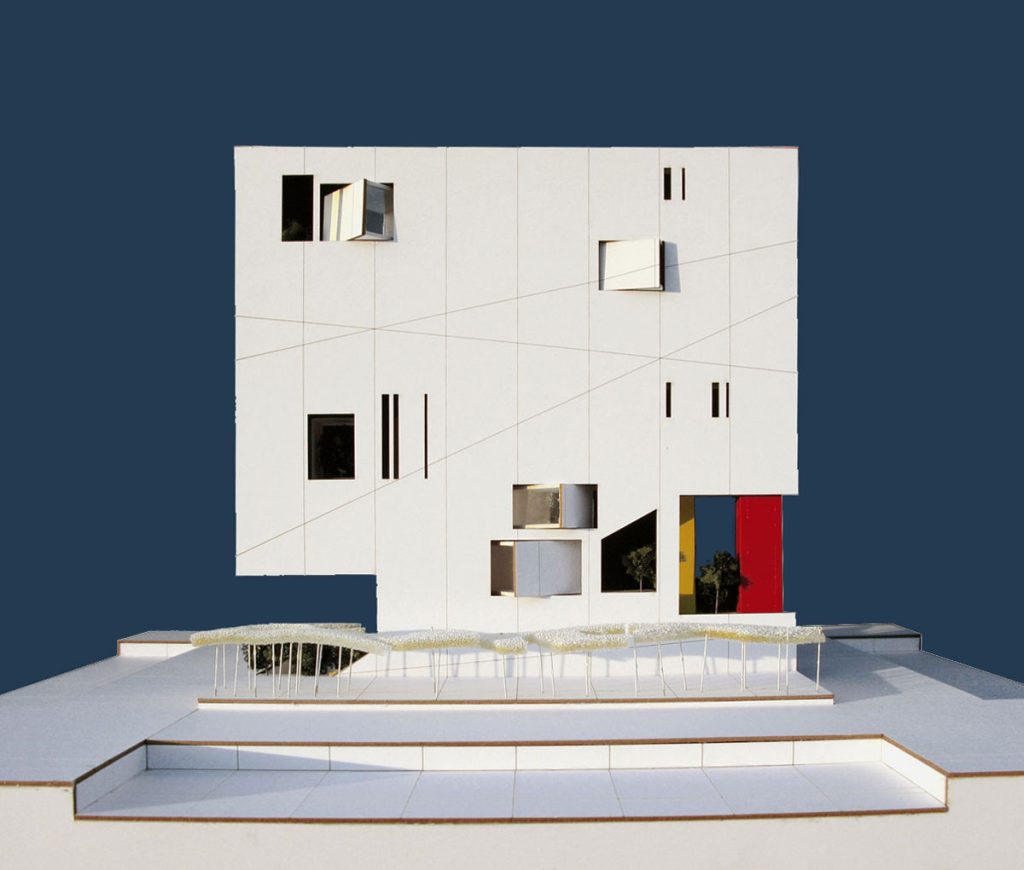
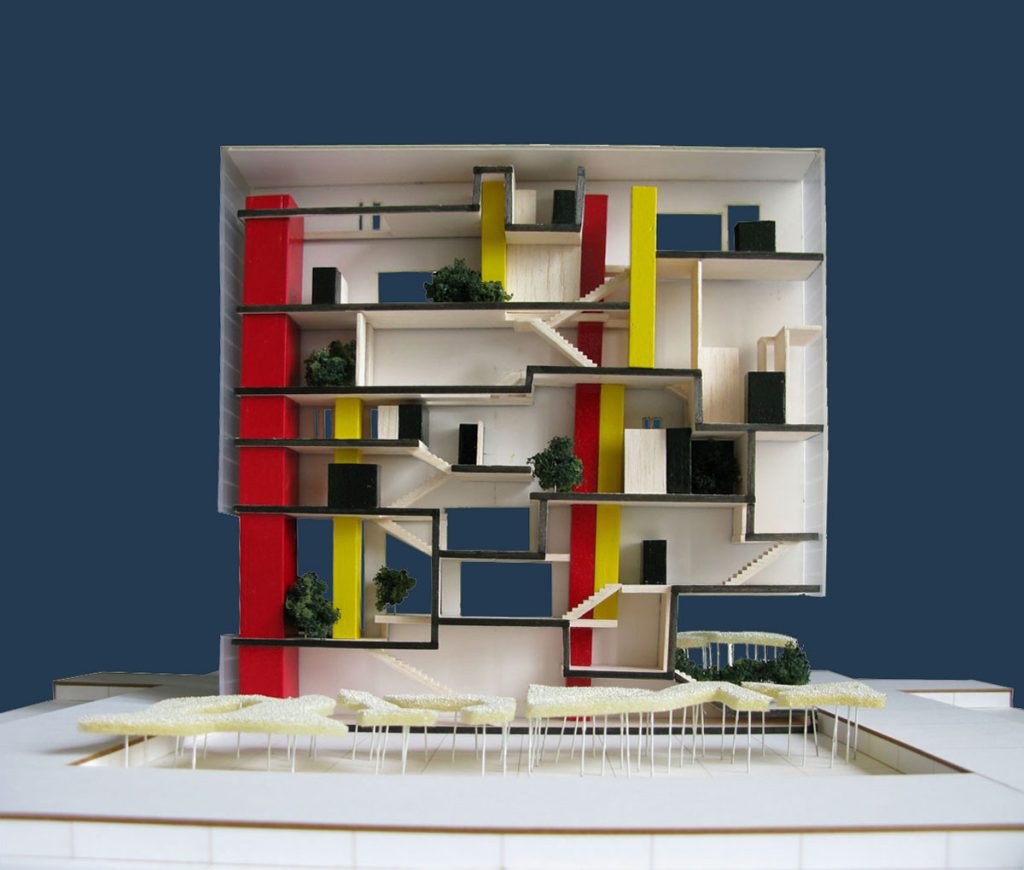
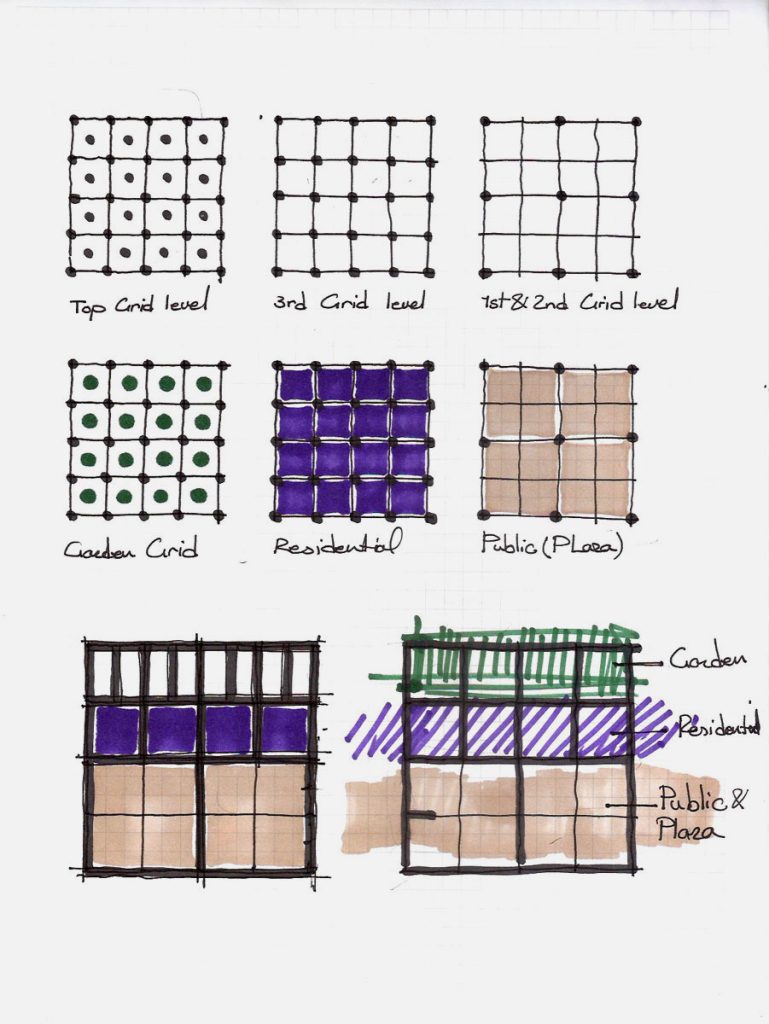
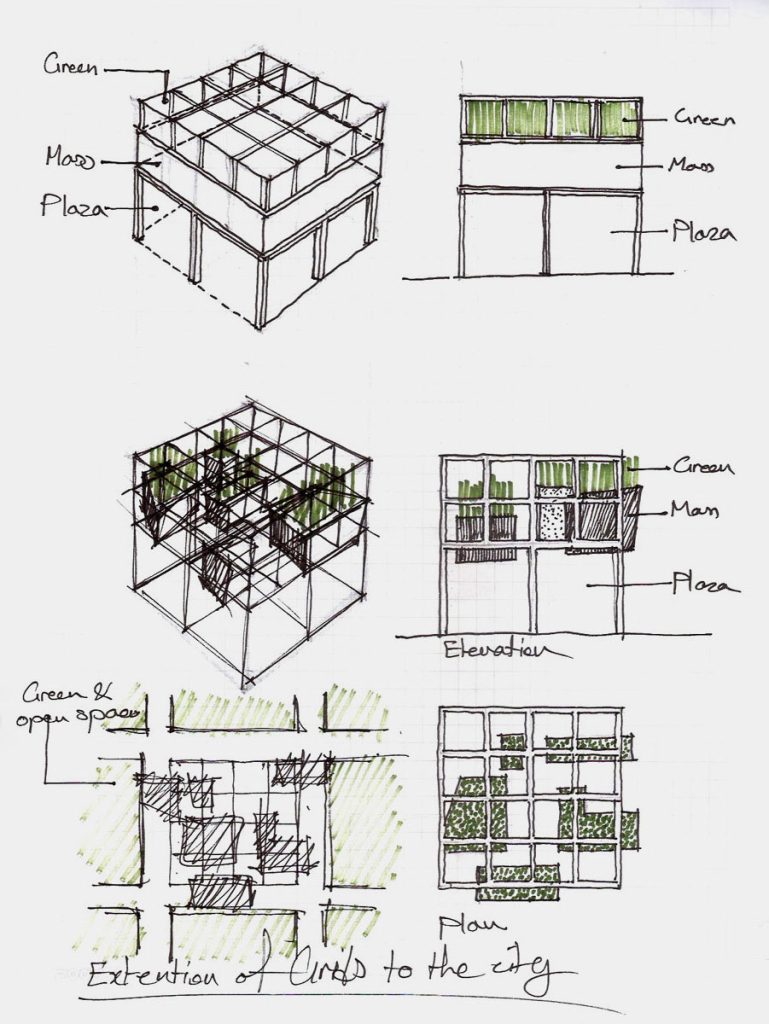
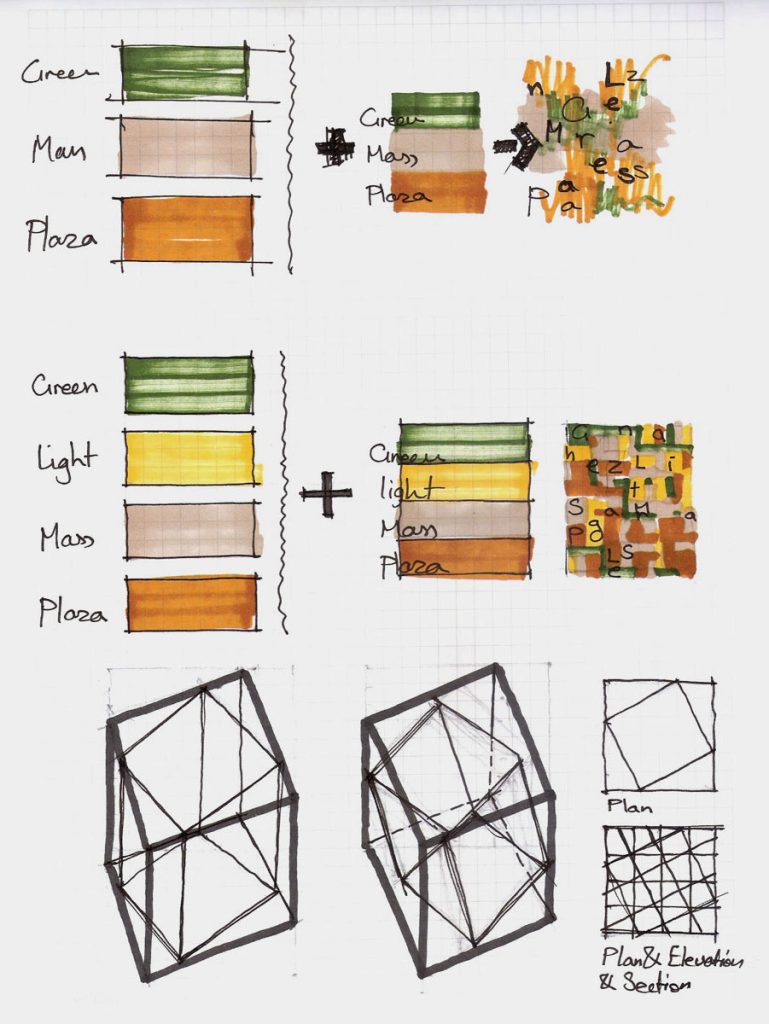
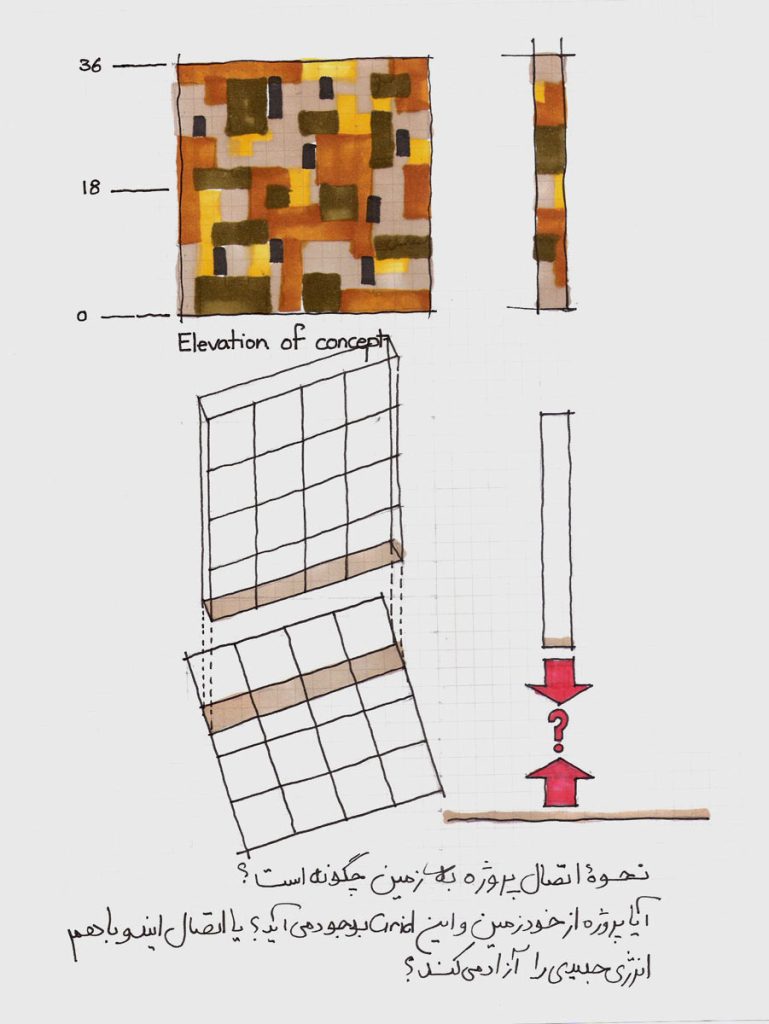
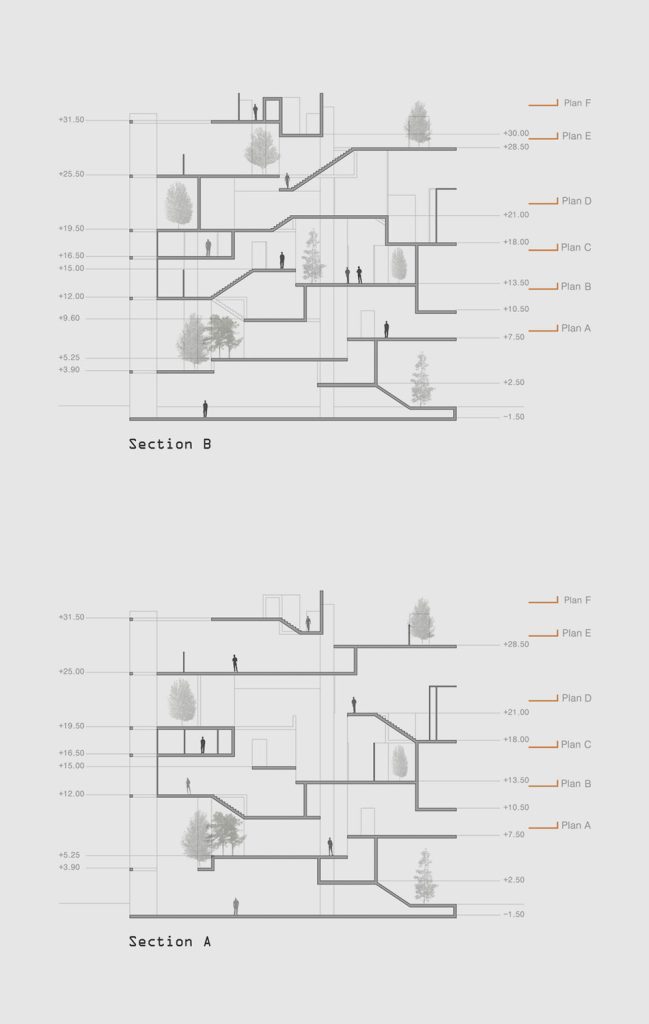
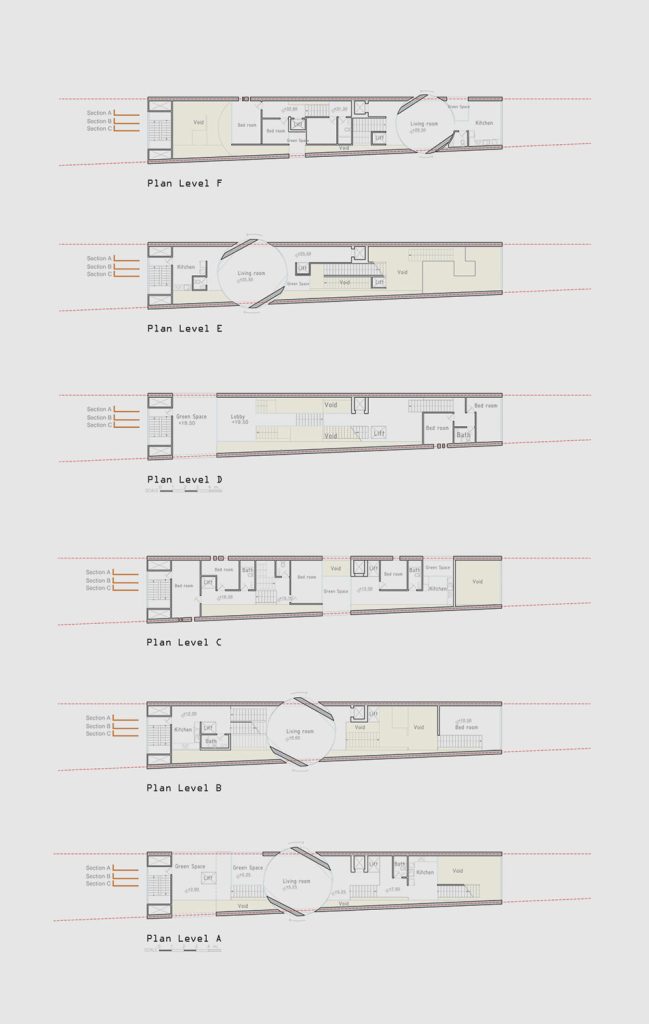
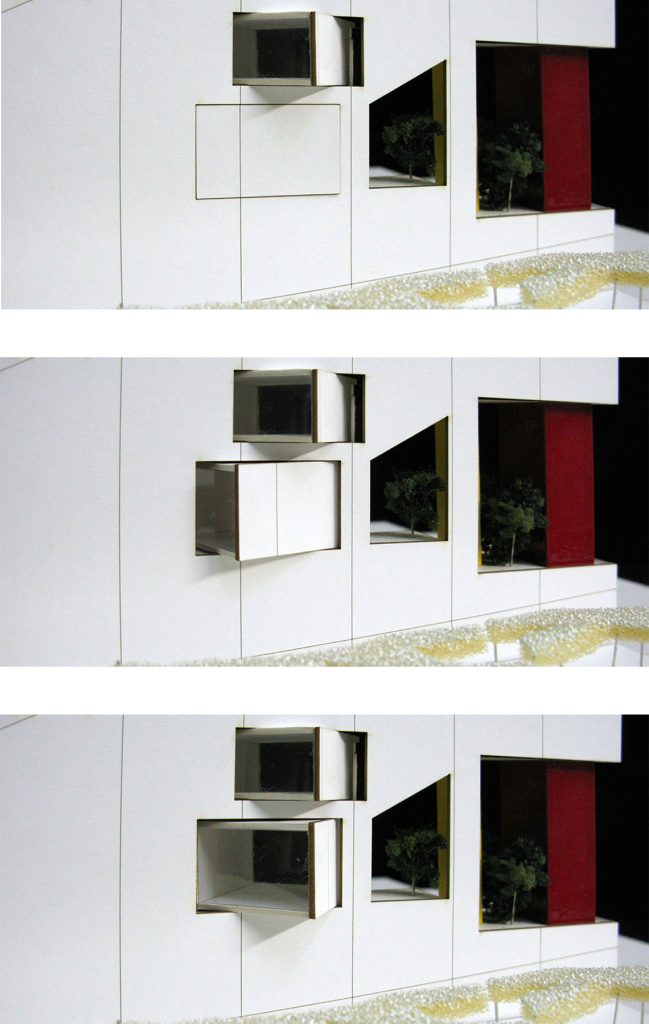
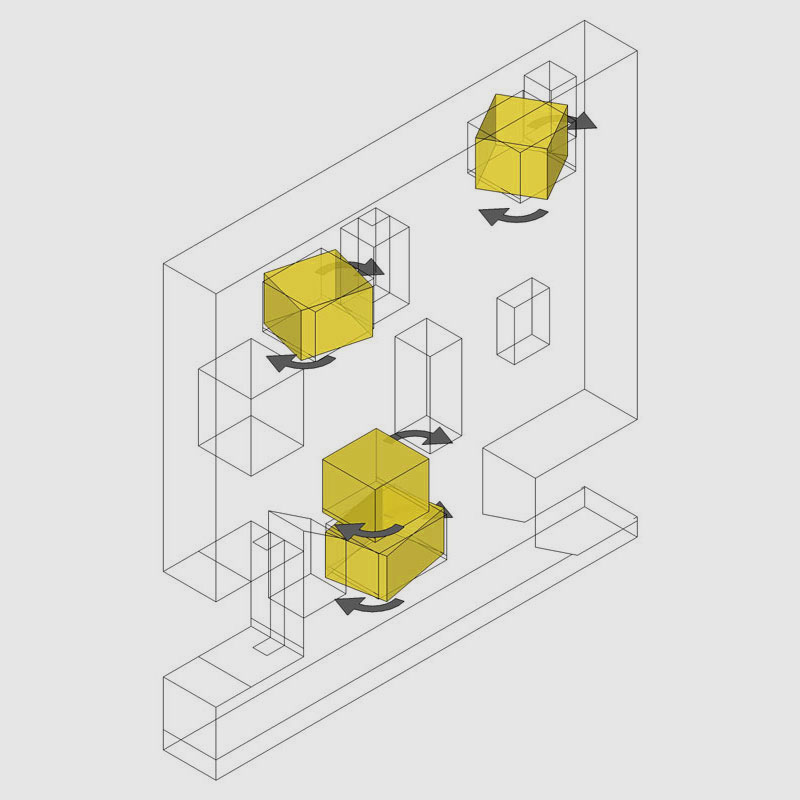
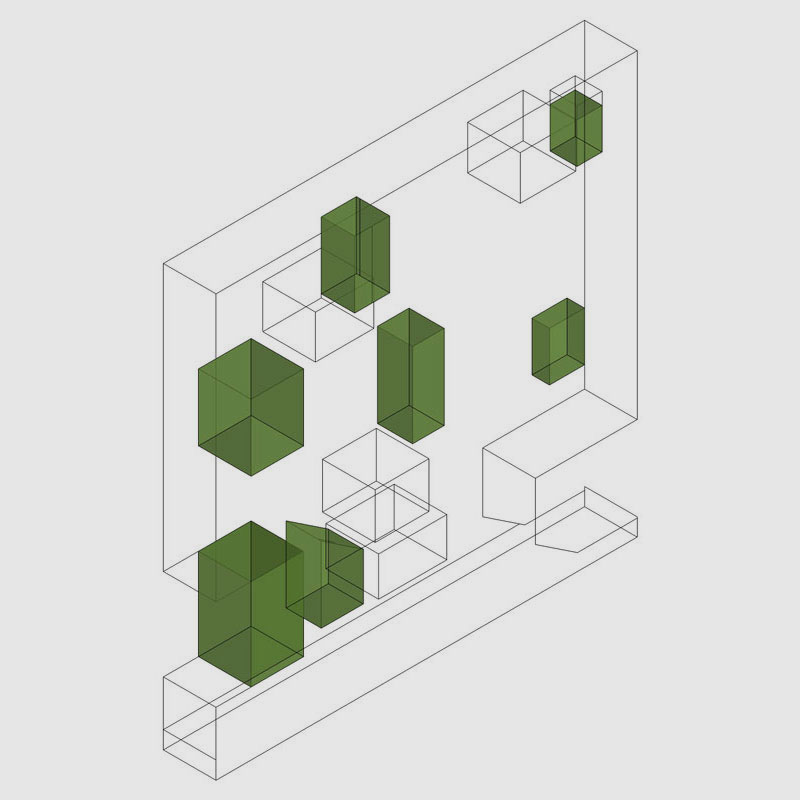
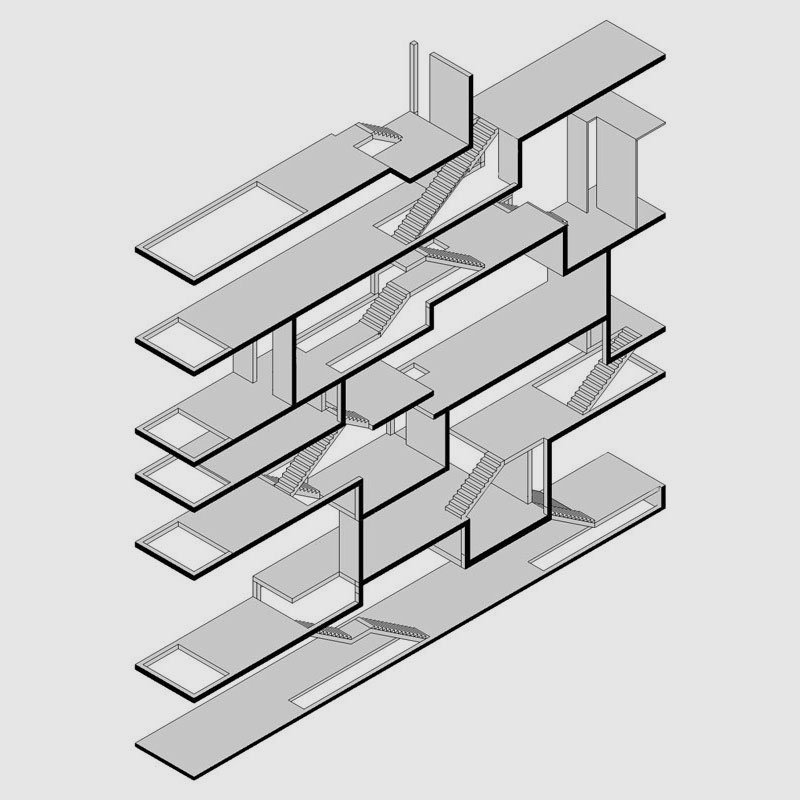
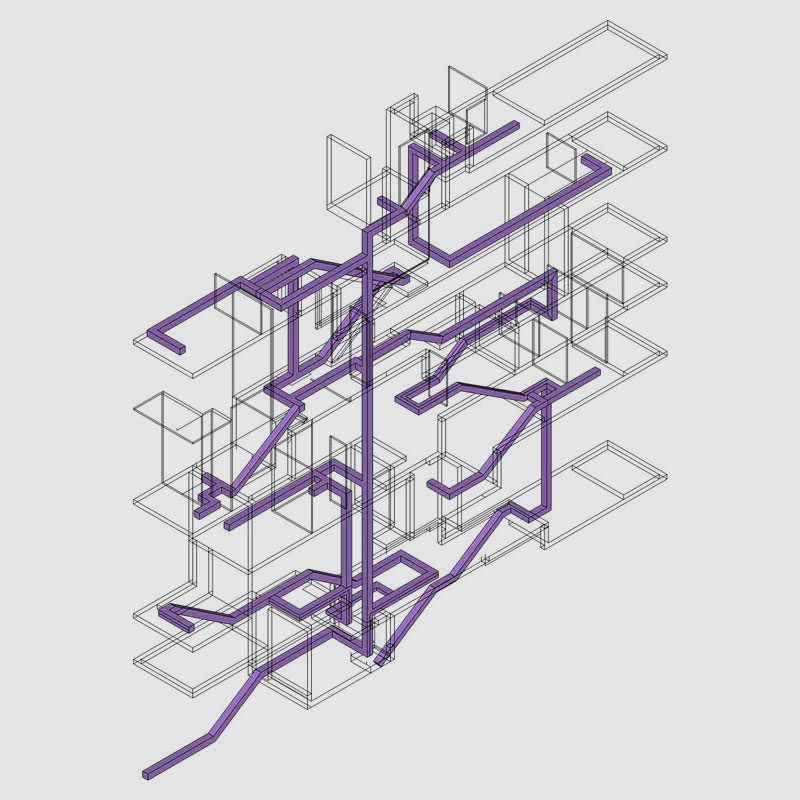
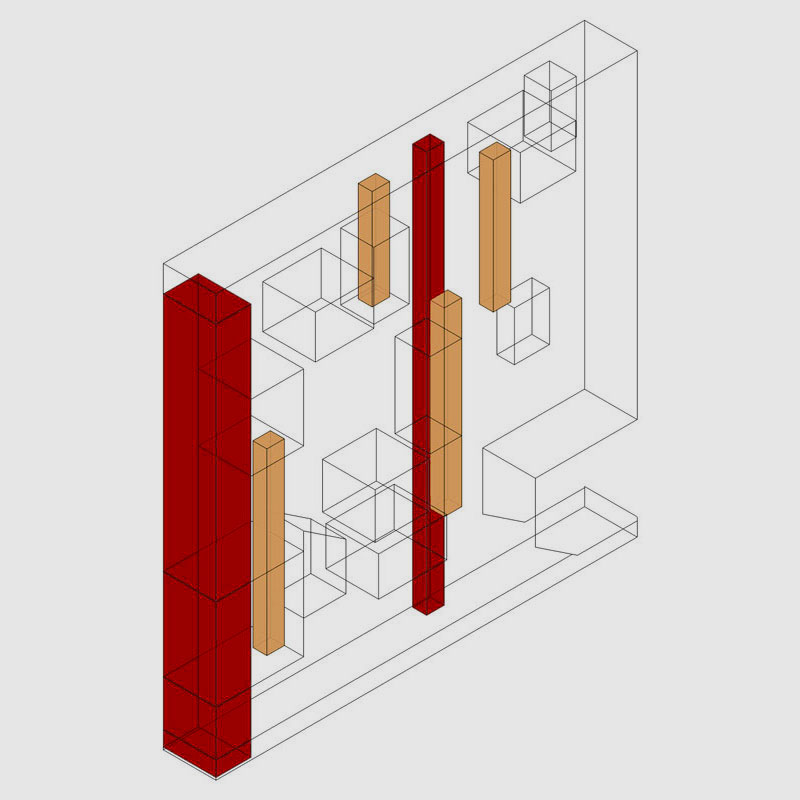
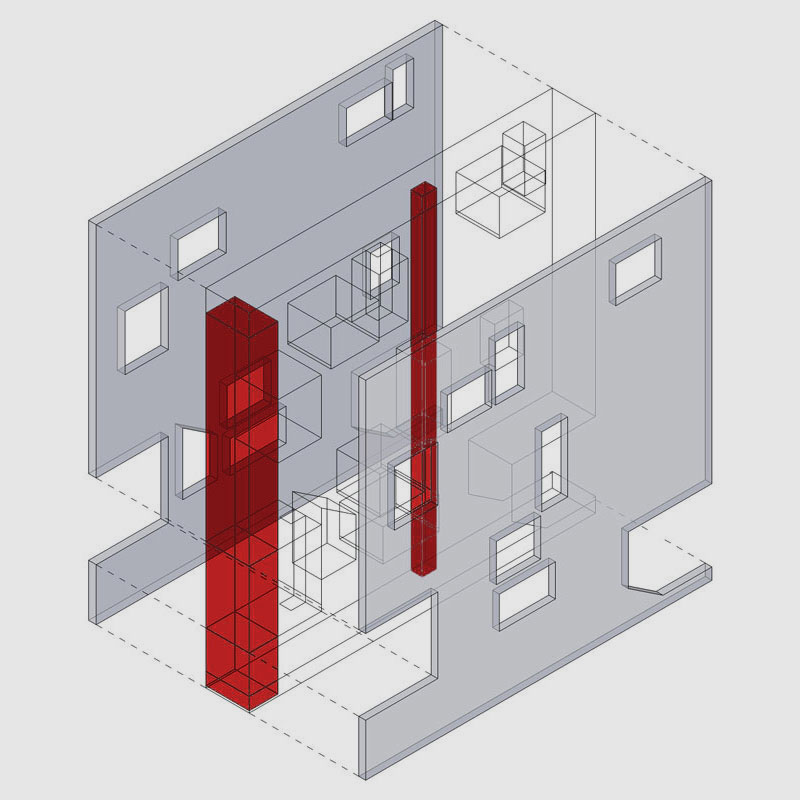
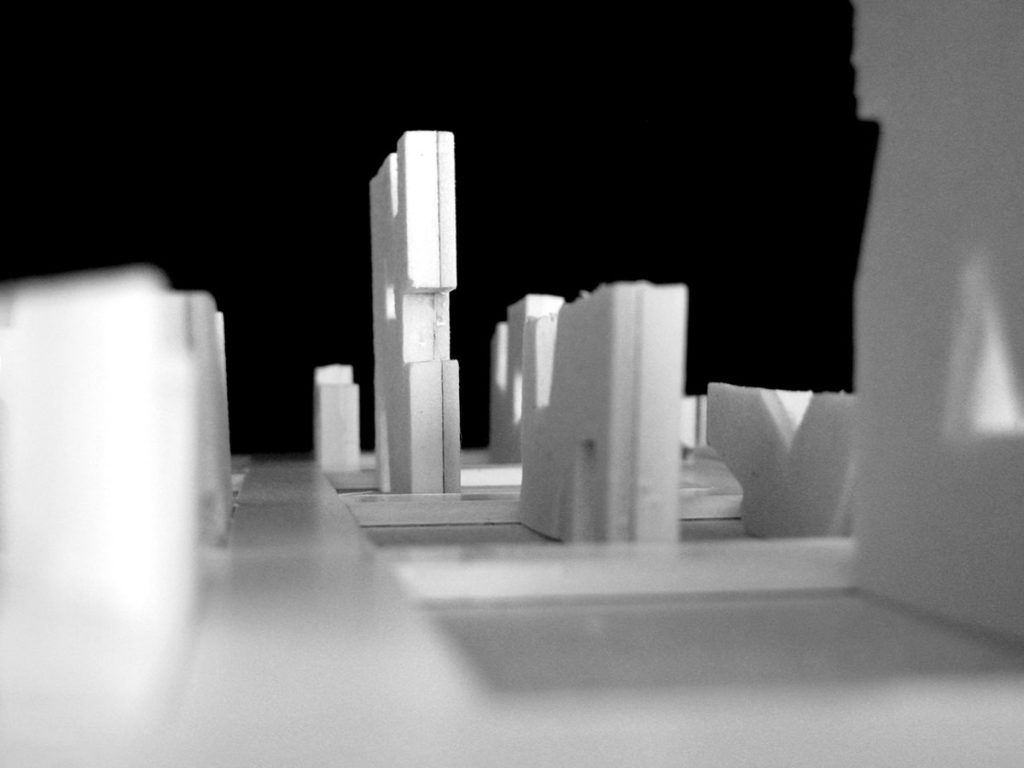
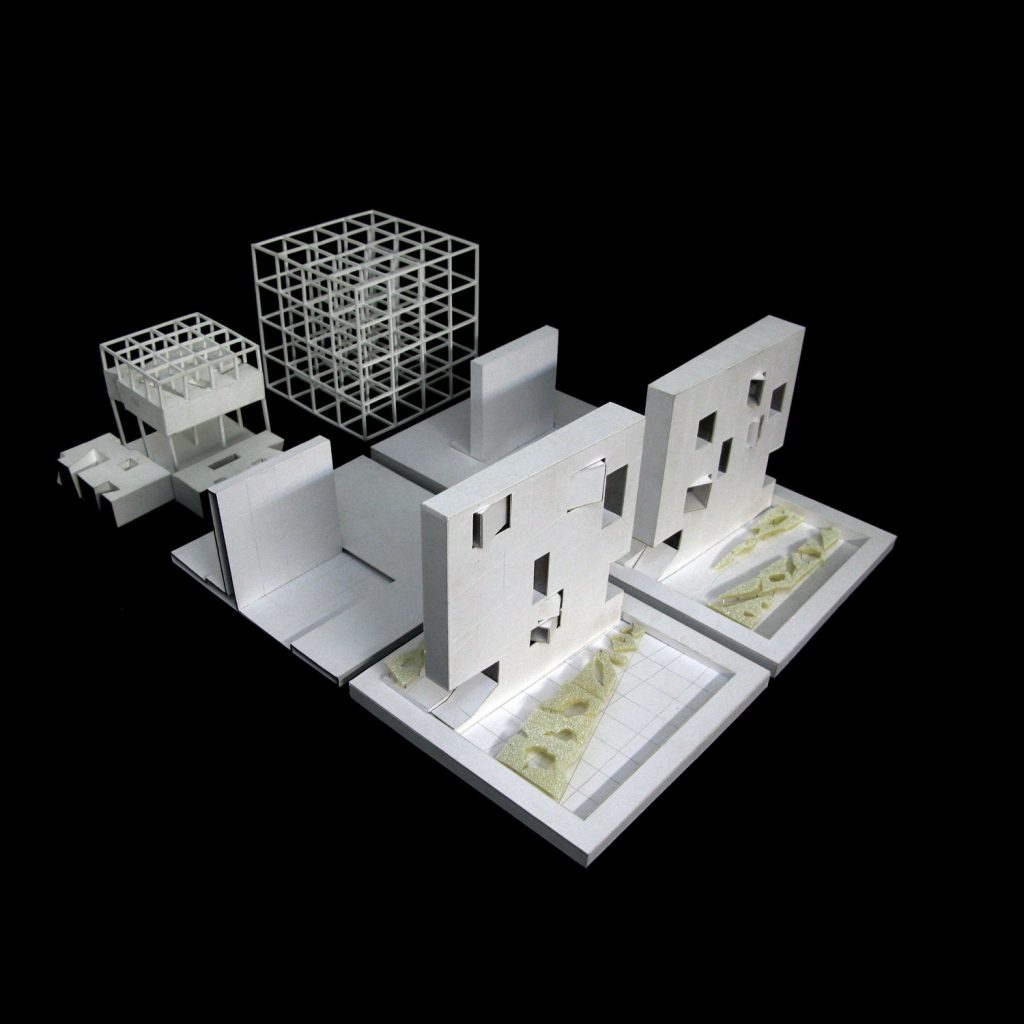
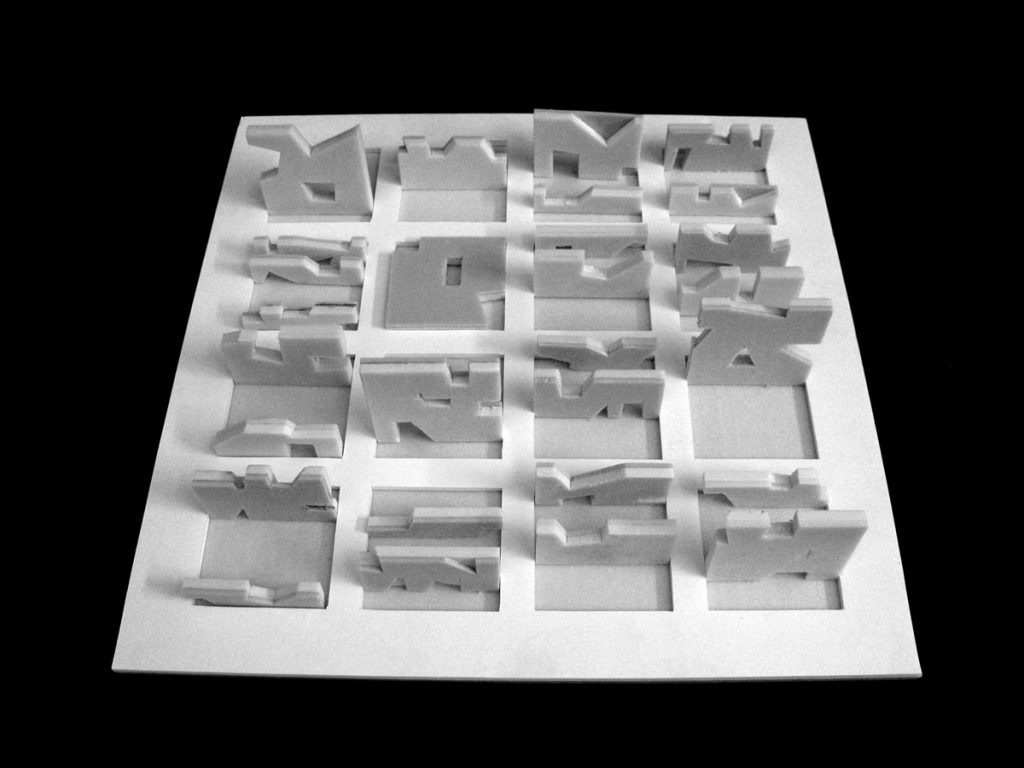
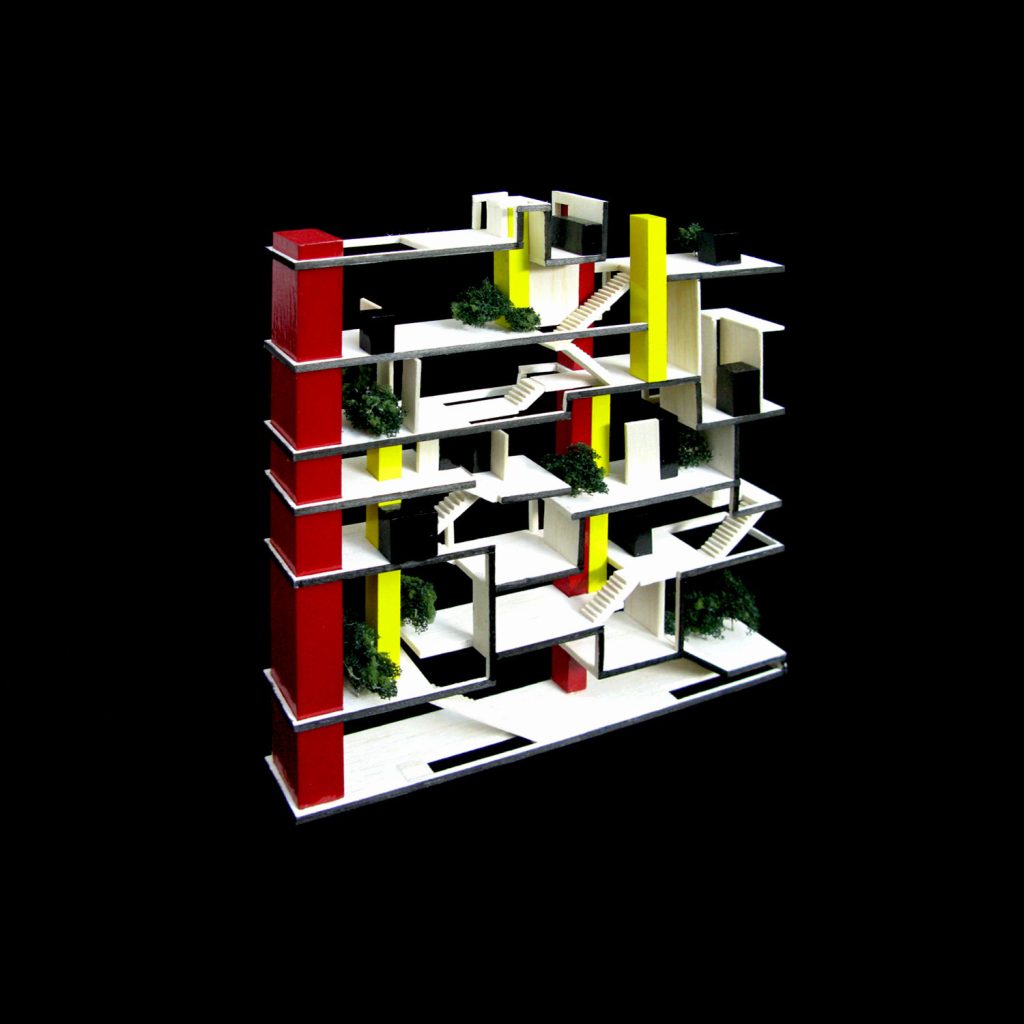
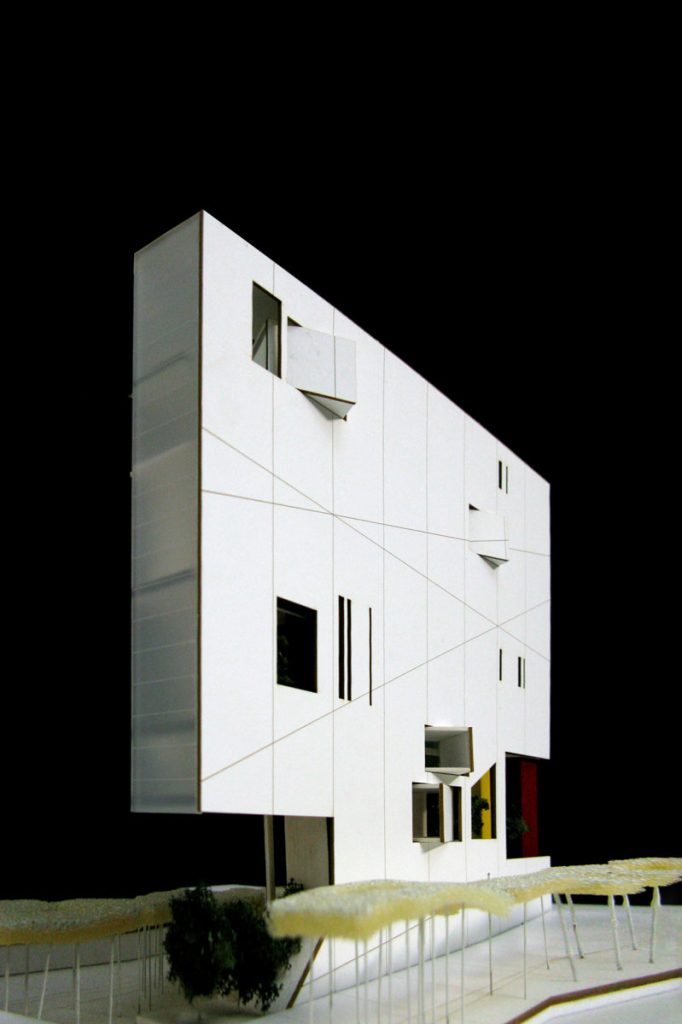
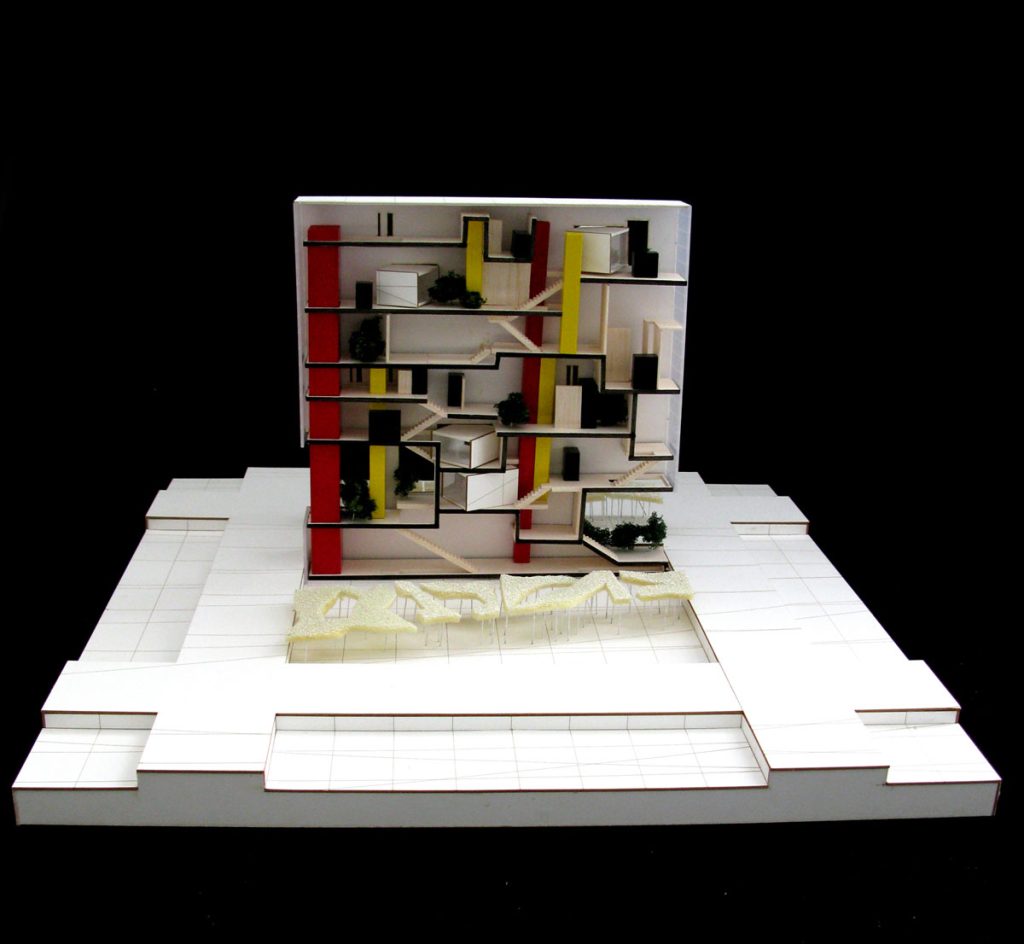
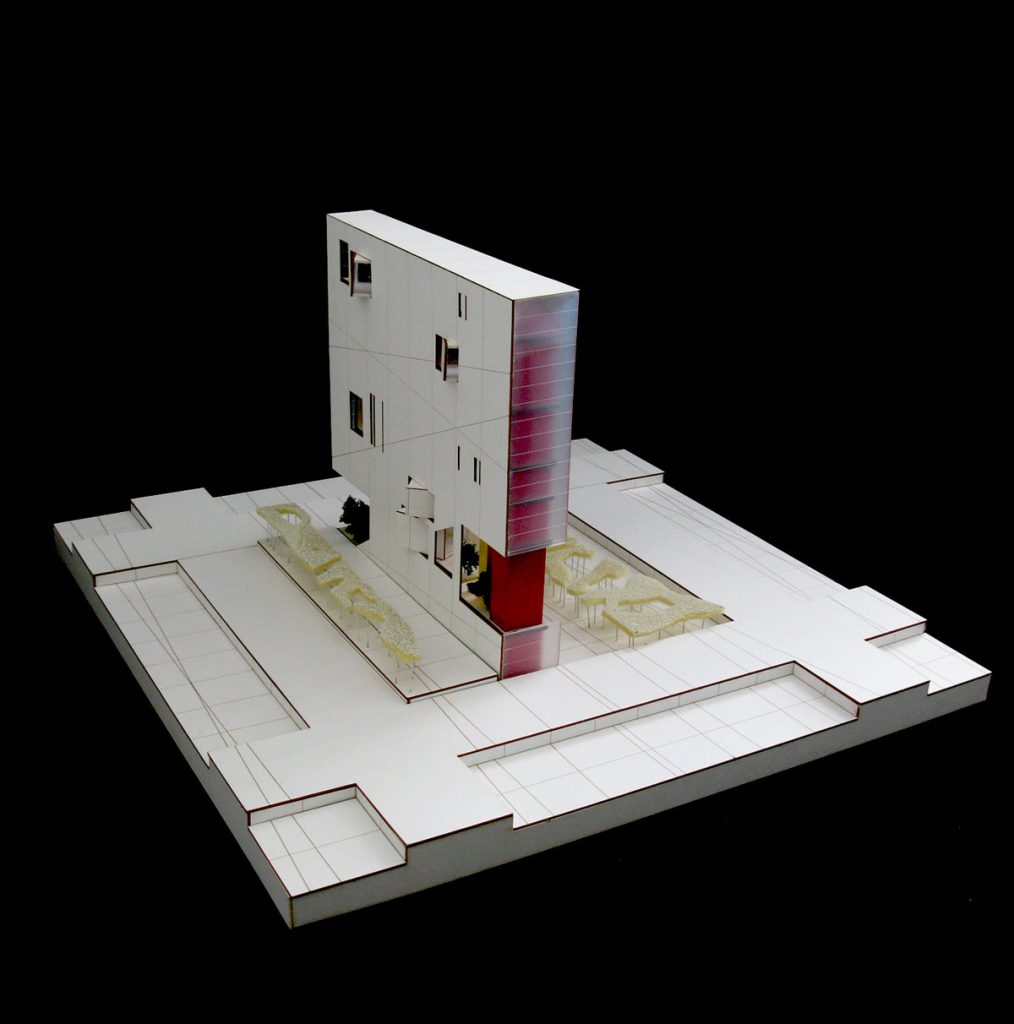
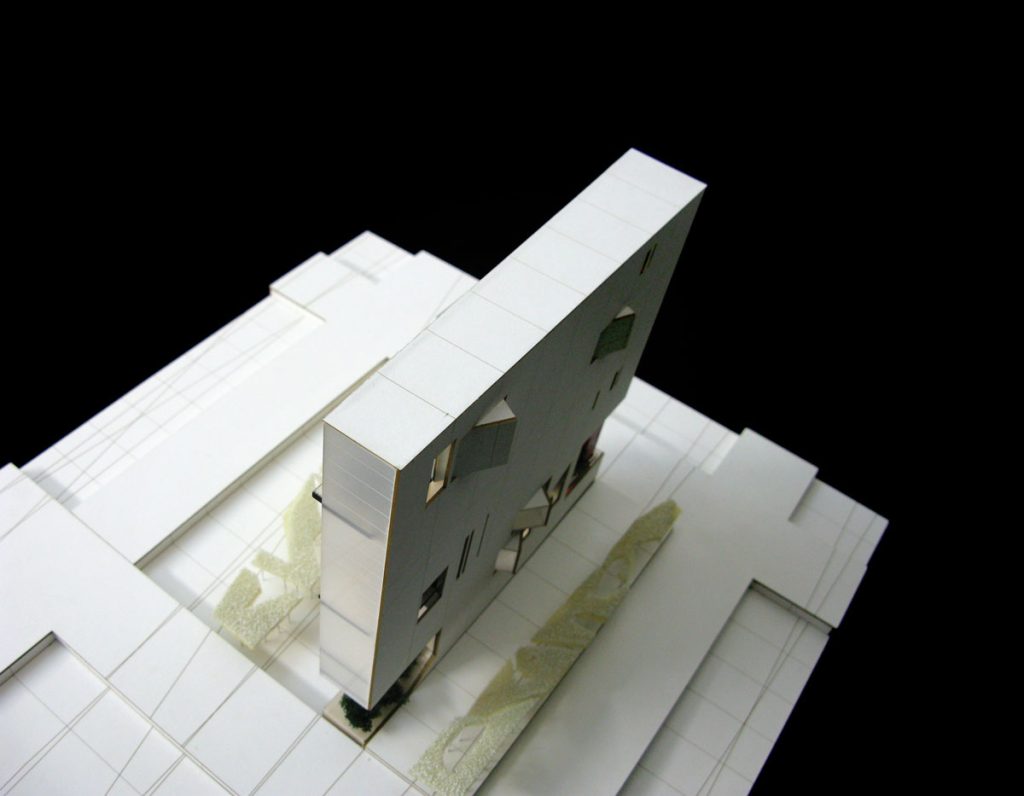
Crucially, we replaced homogeneous flat floors with heterogeneous slabs. This shift in section creates a new residential typology where the Four-Square diagram becomes a structure for vertical living, fundamentally altering the contemporary urban lifestyle.
.
The design is conceived as a multipliable system. The Four-Square network can be organized across the plan, allowing various blocks to represent diverse urban ideas. Inside each unit, split levels and vertical access points induce dynamic movement. Finally, private green spaces are transformed into vertical yards, dedicating the ground level to the city and creating a vibrant system of urban events.
.
.
HAJIZADEHs
Architecture: Kourosh Hajizadeh – Behrang Eghbali – Sepehr Seyed Kalal
Model: Arshia Ebadi – Mahshid Fadaei – Atefeh Bakhshi – Leila Kazemi
Model Photo: Kourosh Hajizadeh
.
Prize: 2nd place competition: 2050 House
Location: Tokyo, Japan
Date: 2009