Amiran Hotel & Commercial Complex
Type: Hotel & Leisure – Commercial
Scale: 24000 sqm
In the contemporary architectural paradigm, commercial-hospitality complexes often function as “solid objects” that sever the pedestrian’s connection with their context.
.
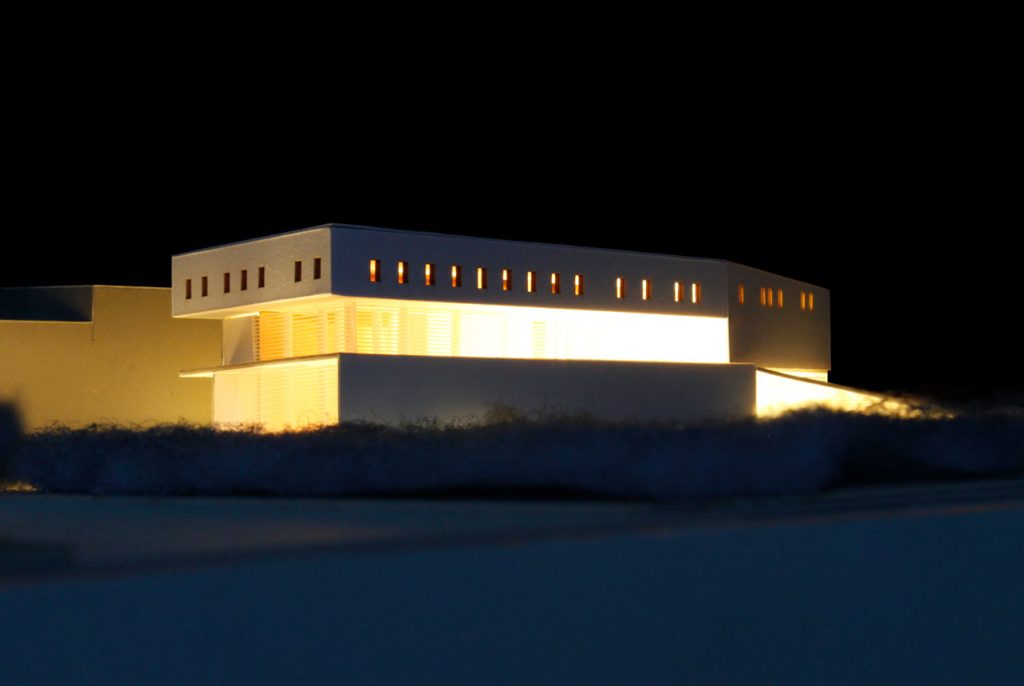
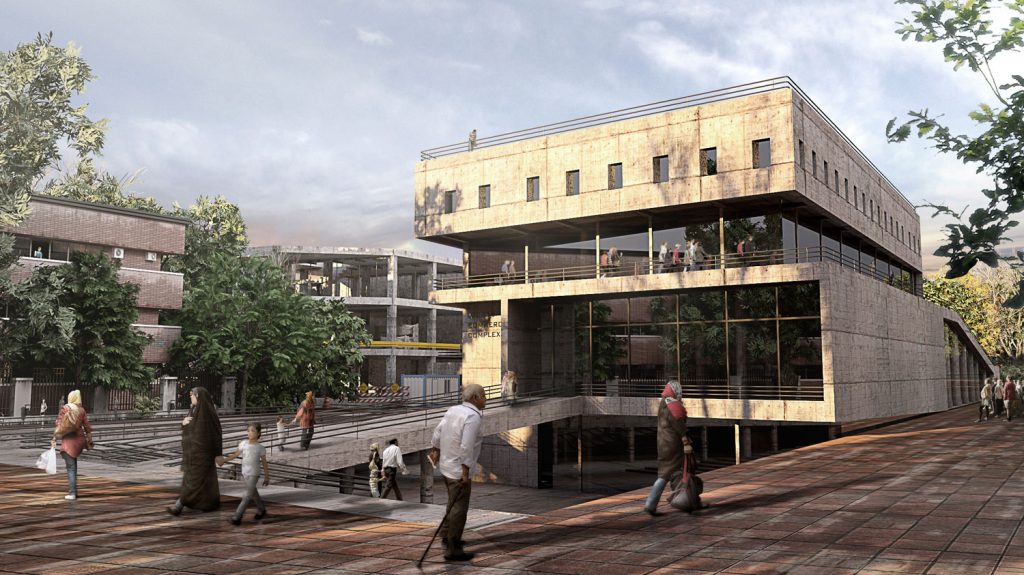
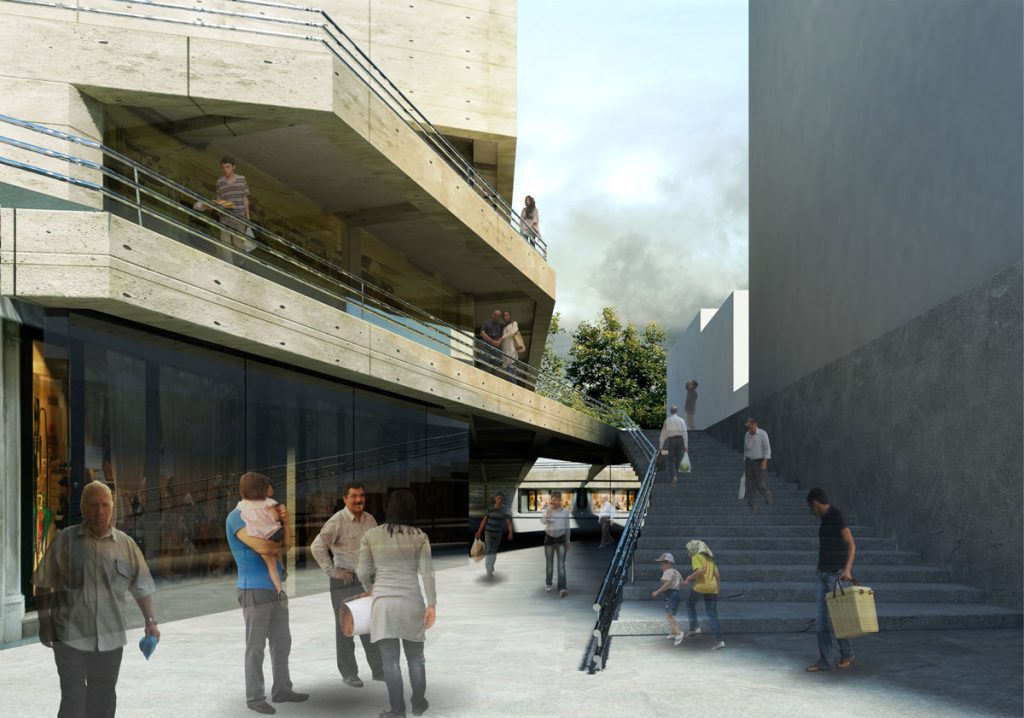
The manifesto of the Amiran project is rooted in the “conscious destruction of mass.” We seek to cultivate an “Active Void”—a space where the boundaries between interior and exterior, and between the ground level and the subterranean, collapse. In Amiran, the building is no longer merely a destination, but a vital component of a “macro-urban circulation” that weaves the pedestrian from the edge of Imam Khomeini Street into the heart of the surrounding historical gardens. We regard “human movement” not as a functional necessity, but as a “building material” that animates the architectural body—a phenomenon we term “People Animate.”
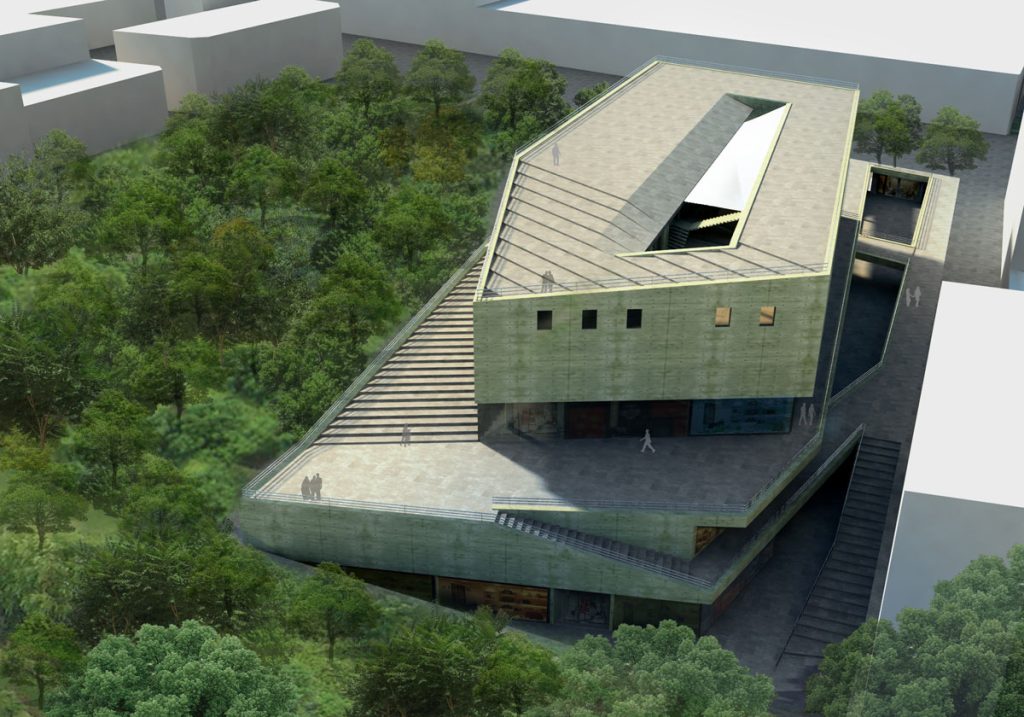
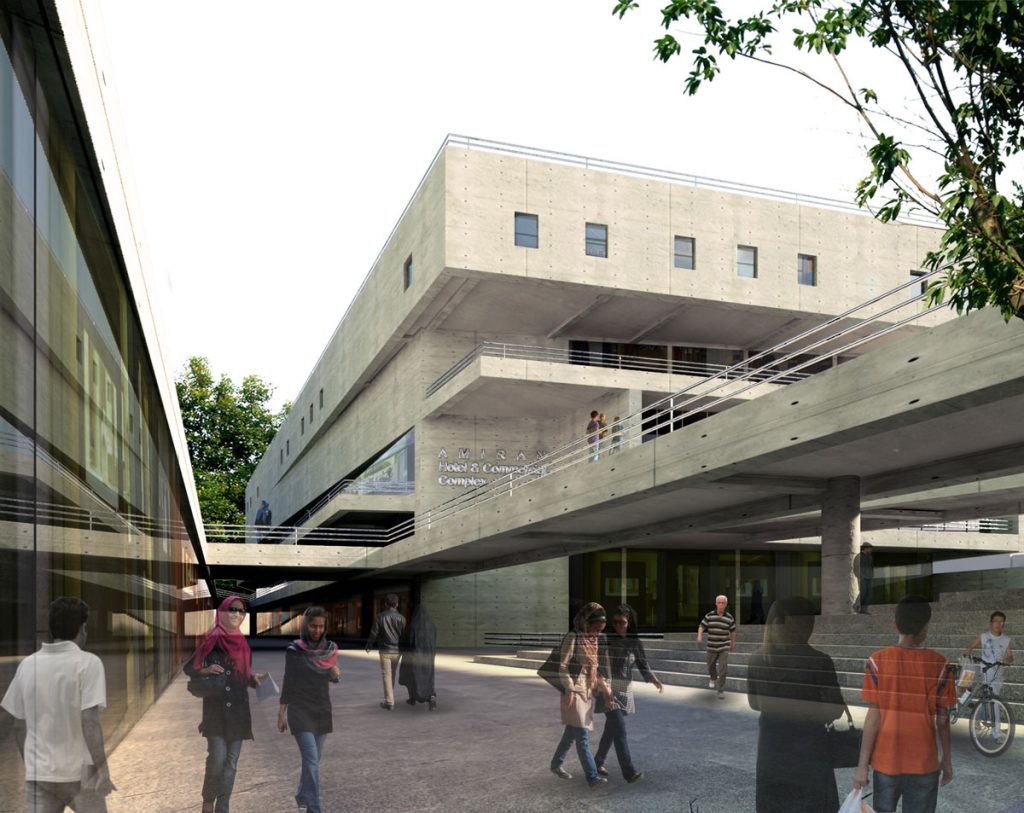
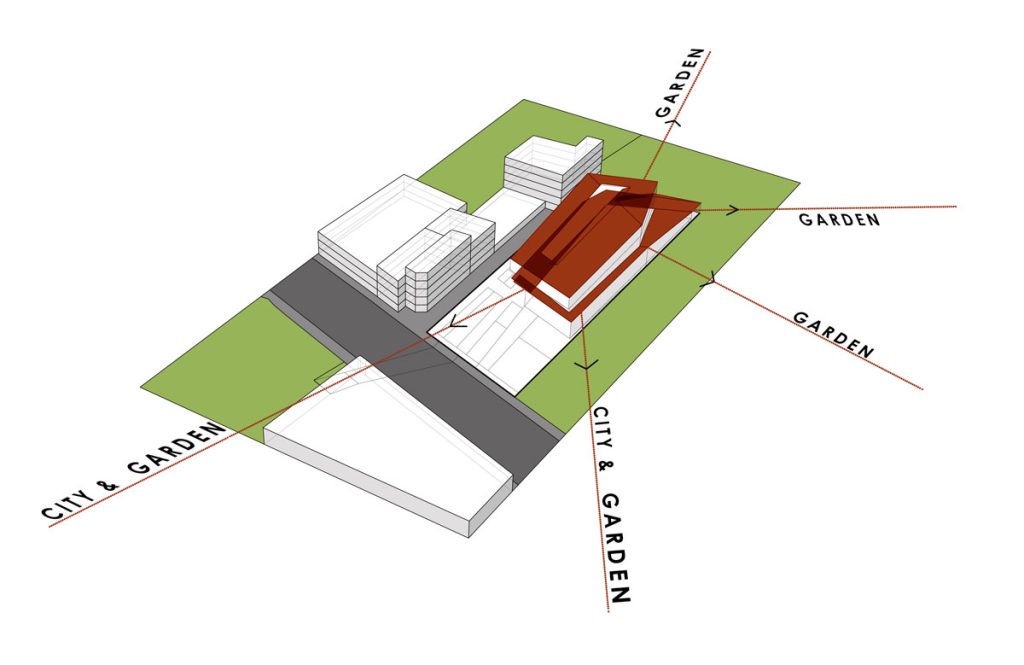
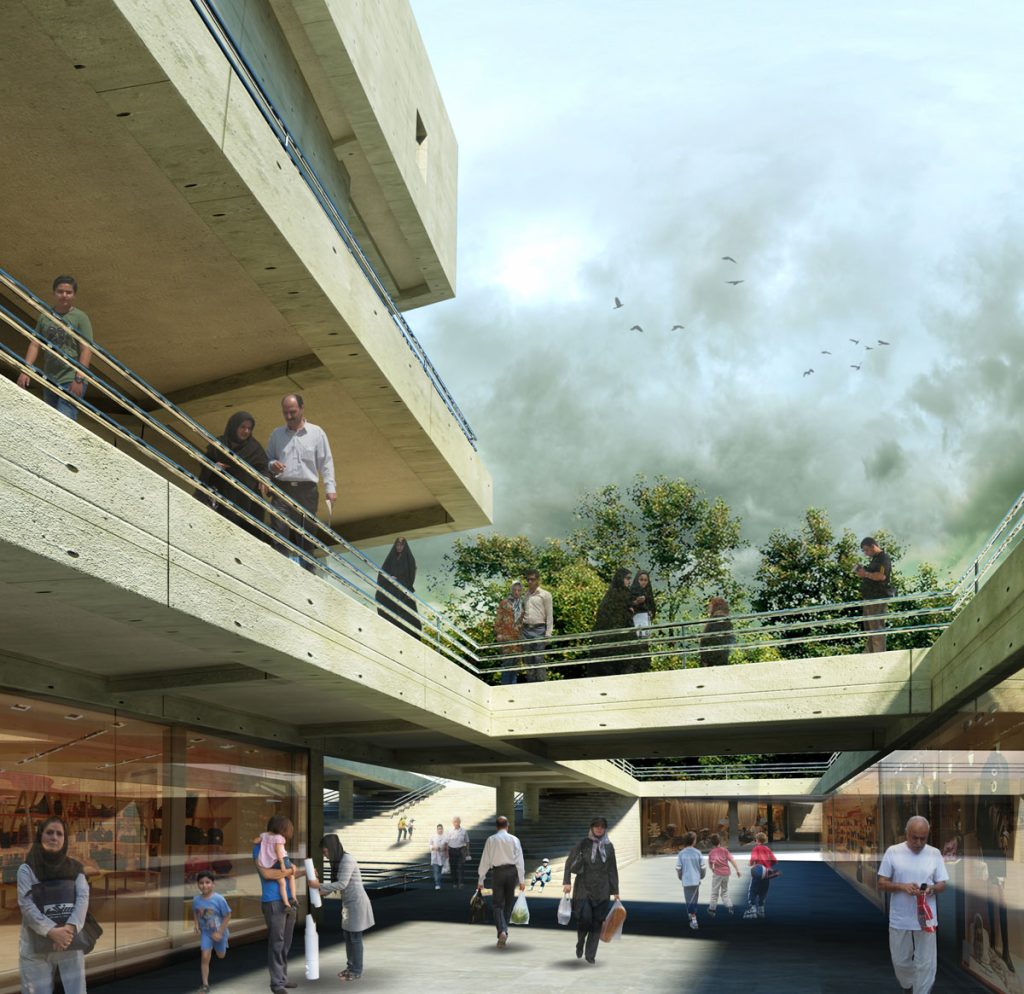
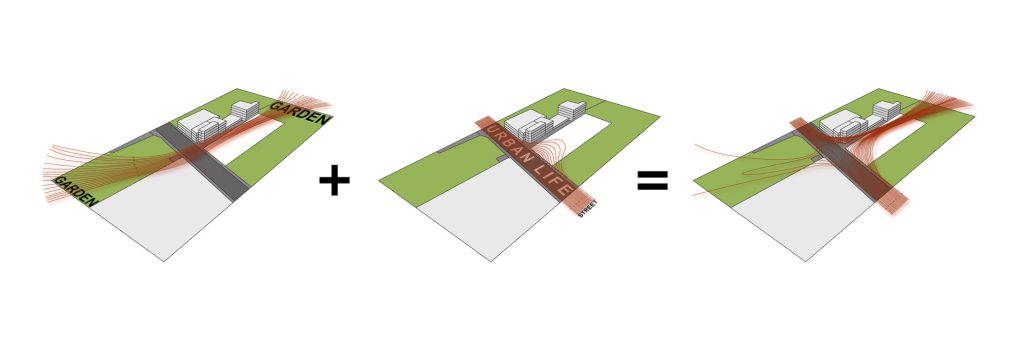

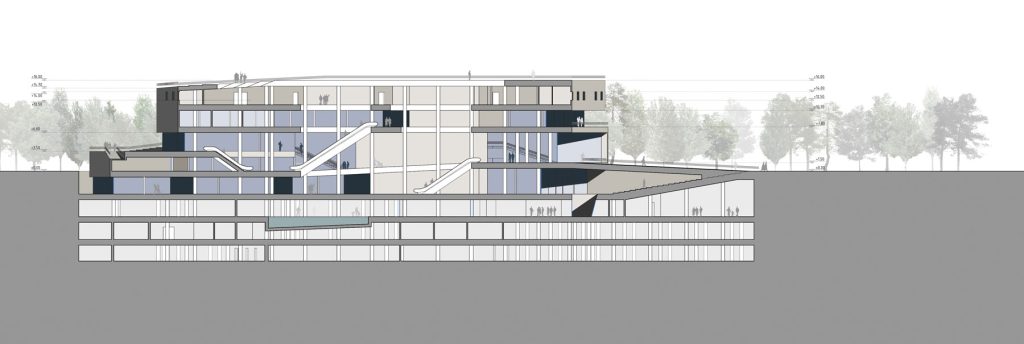
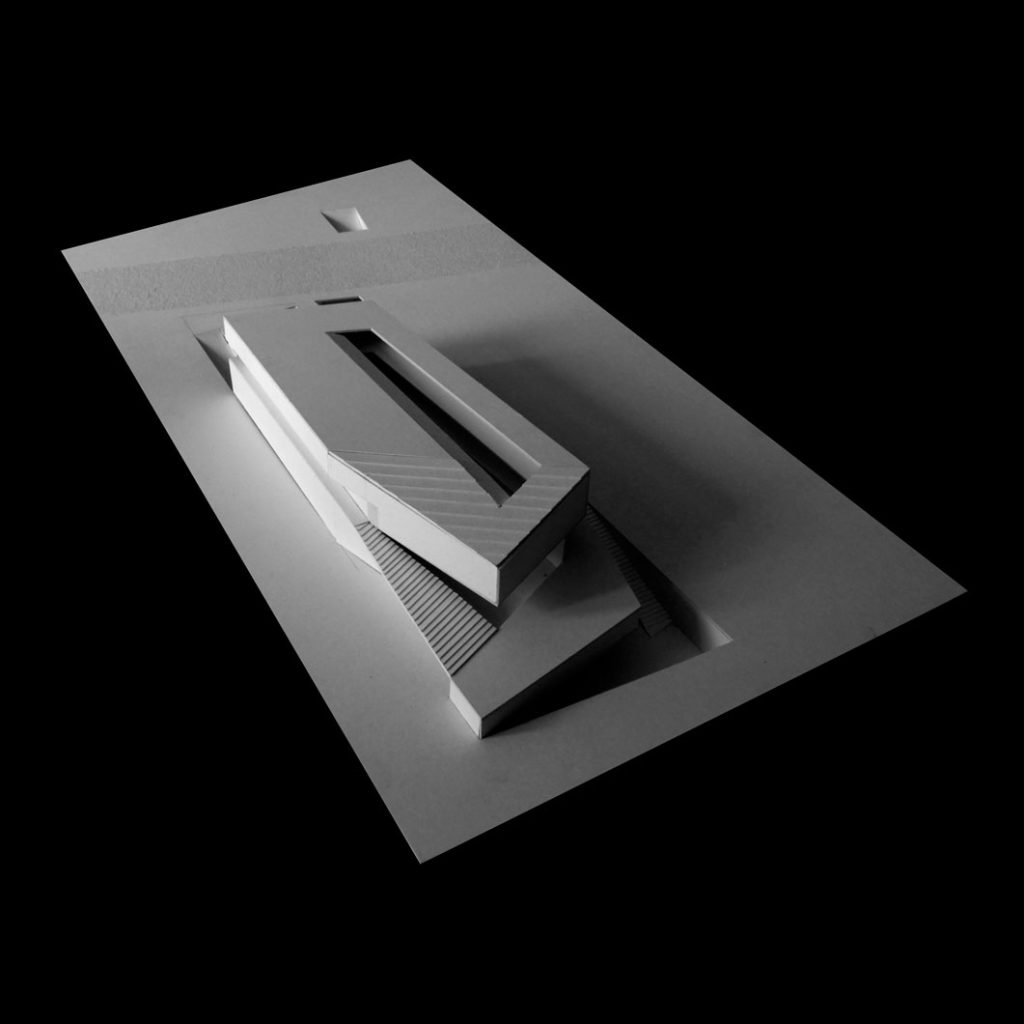
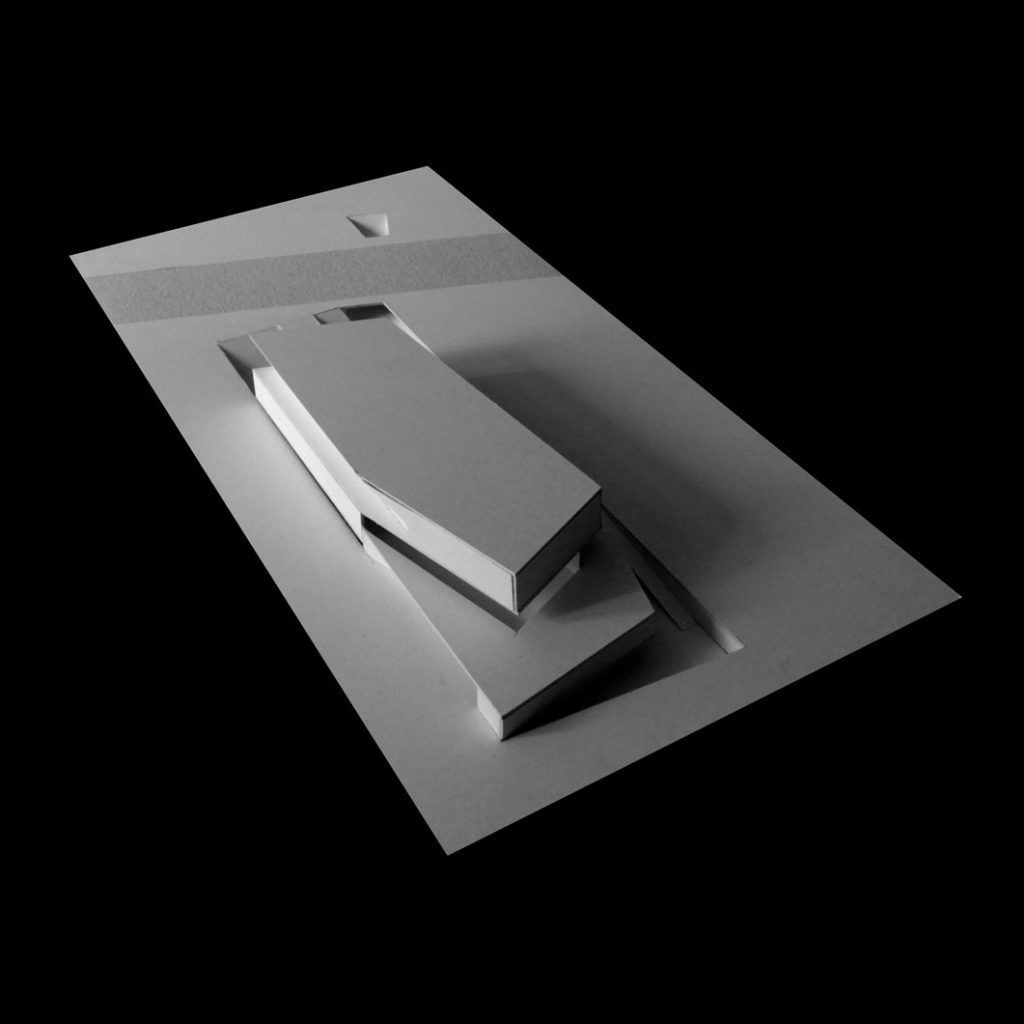
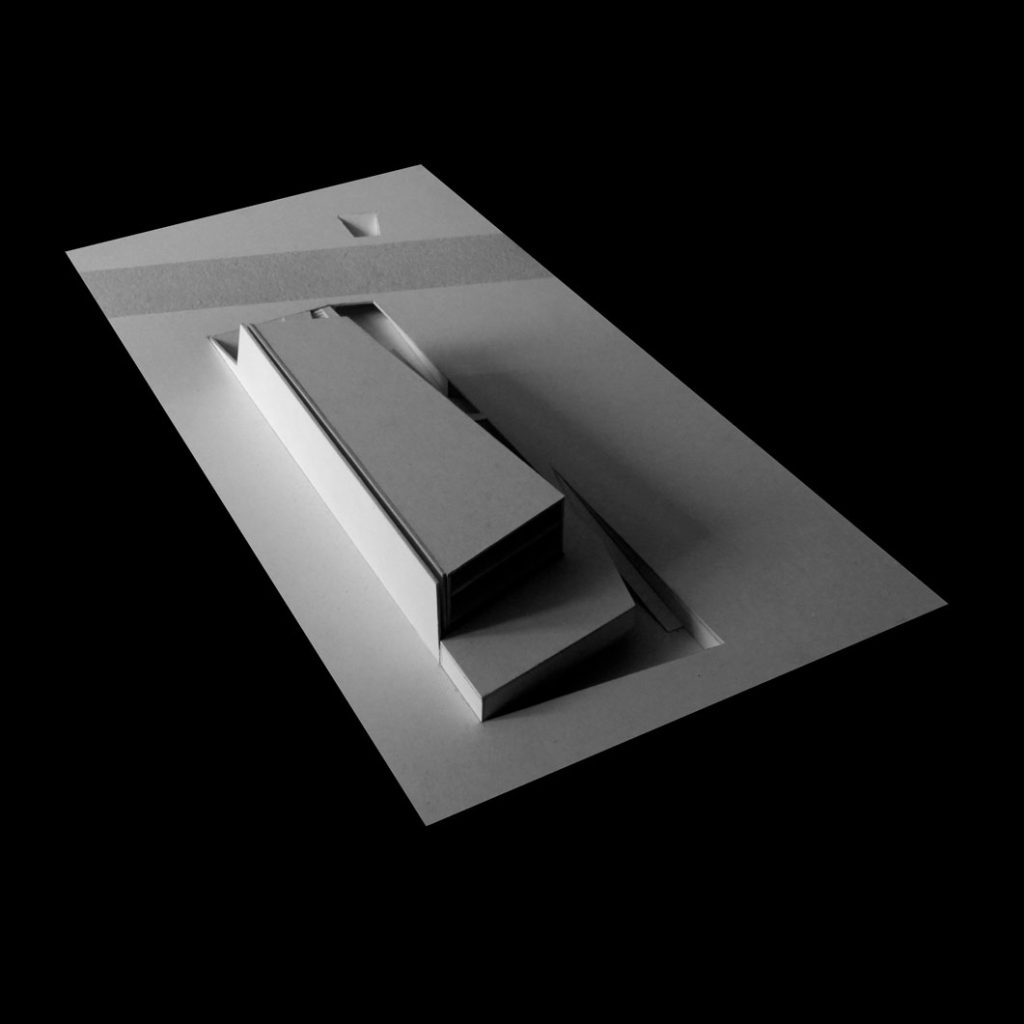
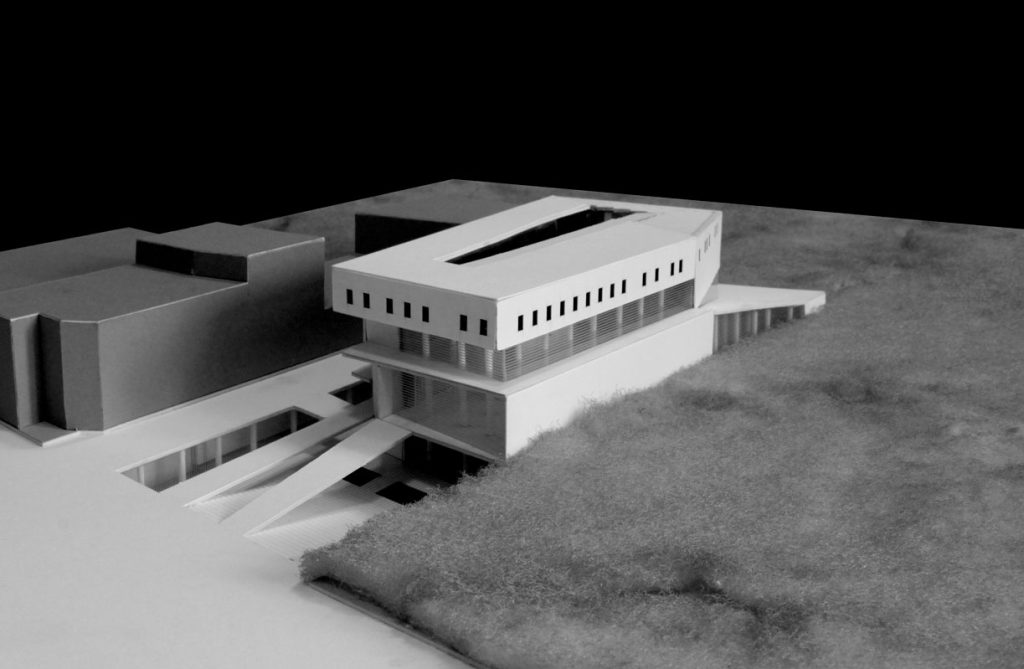
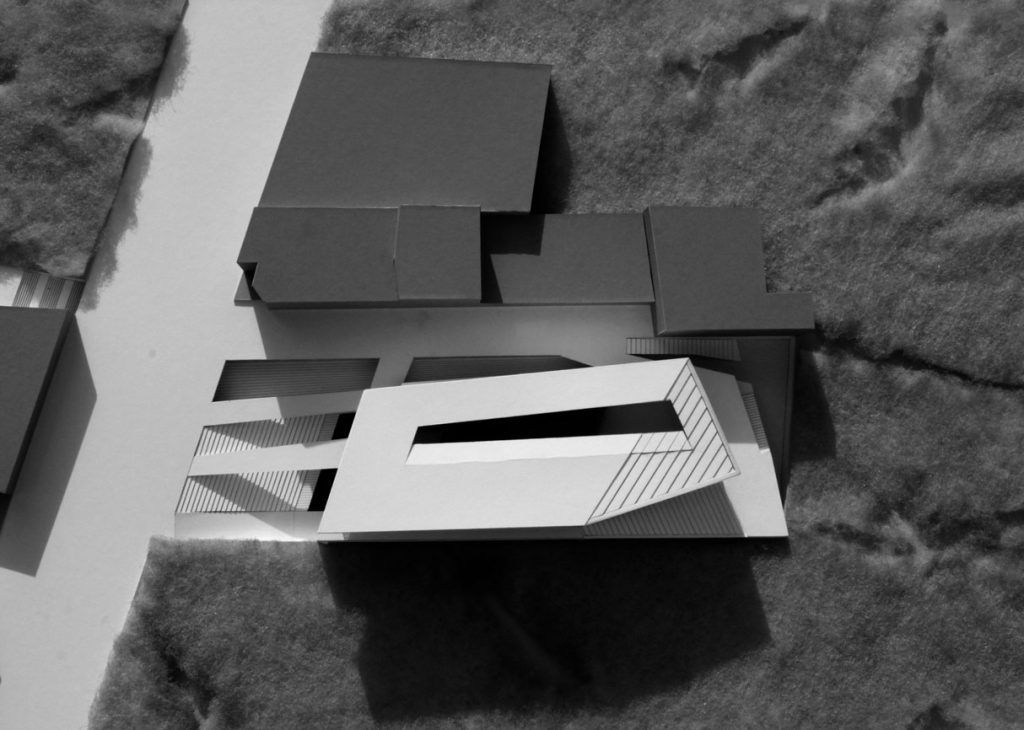
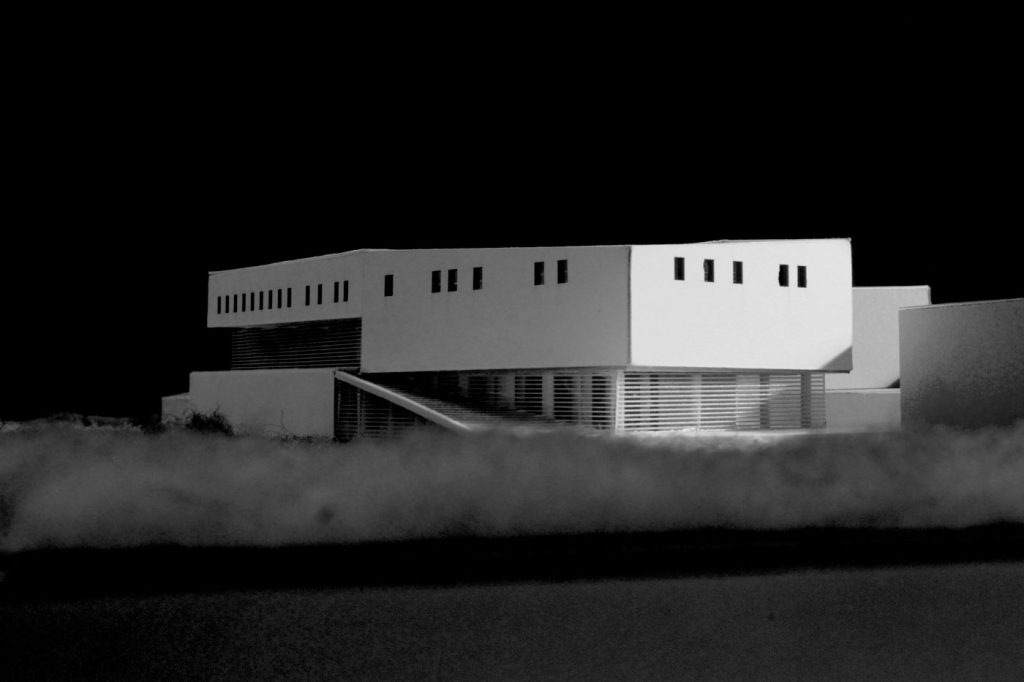
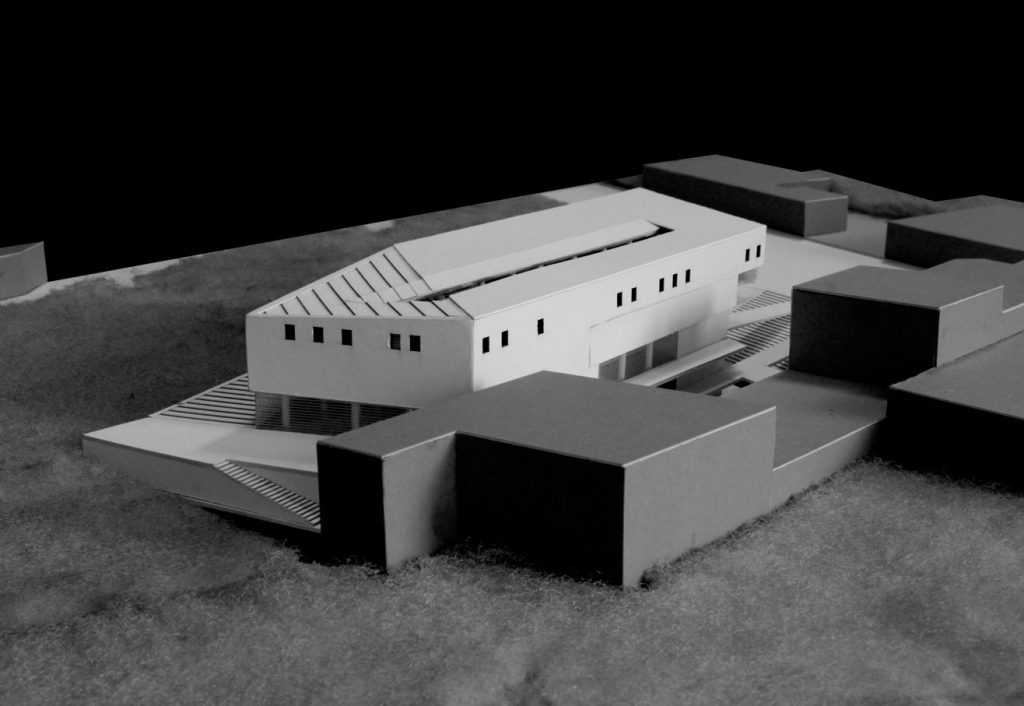
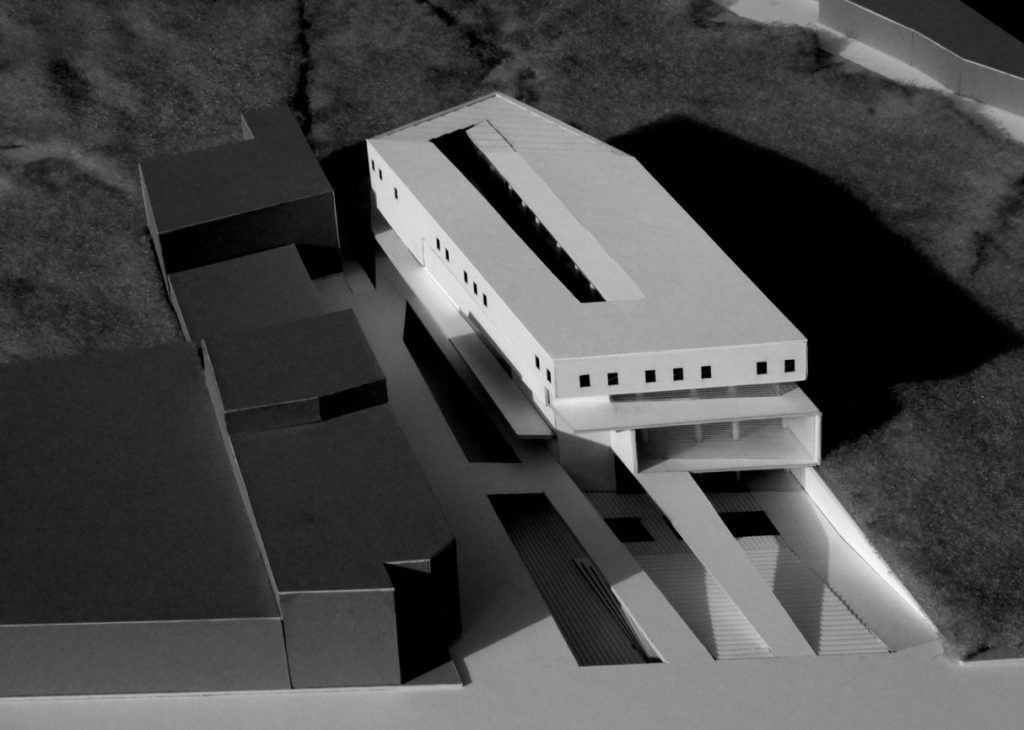
The spatial and strategic analysis of the Amiran project is articulated through three primary layers:
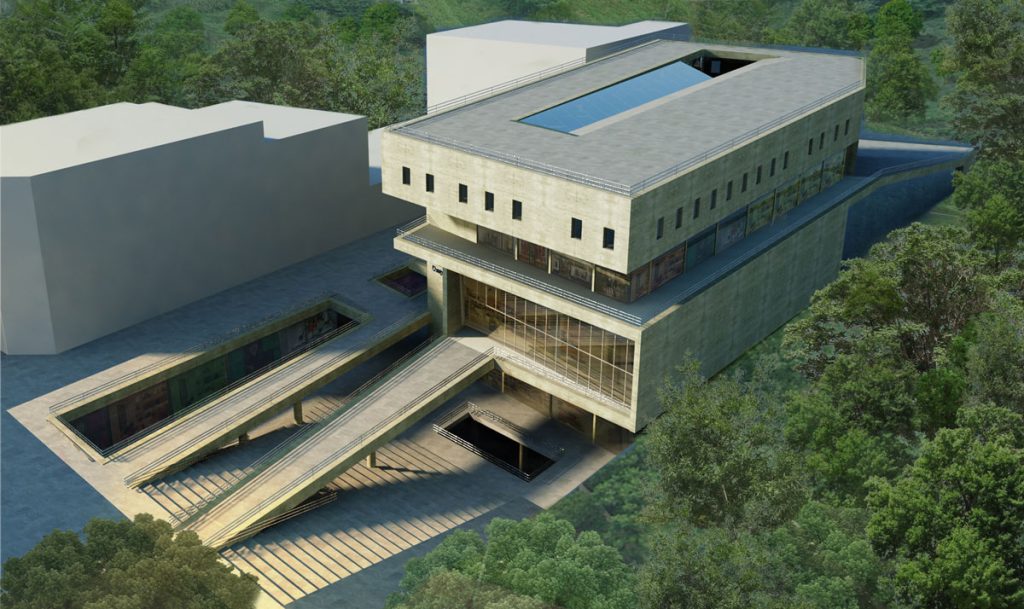
1. Strategic Setback and the Creation of an Urban Plaza: The project initiates with a deliberate setback from the main street, offering a gifted space back to the city—an “Urban Plaza” that transcends a conventional entrance. By depressing the central courtyard to create a “modern sunken garden,” the design not only enhances the socio-economic and spatial value of the subterranean levels but also establishes a direct visual and physical dialogue between the street and the lower strata of the project.
2. The Facade as an Interactive Interface: In this design, the building’s envelope is not a static boundary but an “interactive interface.” Pedestrian pathways, staircases, and connecting bridges are strategically positioned on the building’s periphery, ensuring that the movement of people across various levels becomes an integral part of the project’s visual identity. This structure grants the building a “flexible and fluid” quality that evolves in response to temporal changes and civic presence.
3. Vertical Organization and the “Active Void”: The heart of the project is a “Central Void” that extends from the lower levels to the roof, acting as the primary organizer for diverse functions, including commercial areas, banquet halls, a pool, and the hotel. This central emptiness fosters a dialectical relationship between private (hospitality) and public (commercial) sectors. Furthermore, by transforming private green spaces into “Vertical Yards,” the project opens diverse vistas toward the surrounding historical gardens and the urban fabric.
.
.
HAJIZADEHs + Bam Citadel of Kerman
Architecture: Shahabeddin Arfaei – Kourosh Hajizadeh – Ali Ghorbani – Arezoo Izadyari
Visualization: Saeid Fahimpour – Mehdi Saleh
Maquette: Arezoo Izadyari
Model Photos: Kourosh Hajizadeh + Amir Hossein Hajizadeh
.
Prize: 3rd Place in The Competition
Honorable mention at “MEA Awards 2014” in “Hospitality” category
Location: Neyshabour, Iran
Date: 2011